choosing-quality-meal-animal-feed
Guide to Choosing High-Quality Meal for Animal and Poultry Feed Production
In the animal and poultry feed industry, the quality of the final product begins with the quality of the raw materials. No matter how precise the formulation is or how advanced the production equipment may be, if the raw materials are not of suitable quality, the final output cannot achieve optimal performance.
Meal is one of the most important raw materials used in animal and poultry feed production. As a source of plant-based protein, it plays a key role in meeting the nutritional requirements of livestock, poultry, and even some aquaculture feed formulations.
But the important point is this:
Not all meal products have the same quality.
For a feed factory, purchasing meal is not simply buying a raw material; it is a technical, economic, and strategic decision. The wrong choice can lead to reduced feed quality, increased waste, customer dissatisfaction, and lower production efficiency.
Why Is Meal Quality Important in Feed Production?
Meal is one of the primary protein sources in many animal and poultry feed formulations. If the quality of the meal is not stable and reliable, the feed formulation itself becomes inconsistent.
This inconsistency can affect:
Final feed quality
Livestock and poultry growth performance
Feed conversion ratio
Overall production costs
Herd health
Customer satisfaction for feed manufacturers
This is why professional feed manufacturers do not evaluate meal based solely on price. They also examine quality, product analysis, consistency, and supplier credibility.
What Are the Characteristics of High-Quality Meal?
High-quality meal is produced from suitable oilseeds through a controlled production process and strict laboratory supervision.
Appearance is important, but it is not enough. The real quality of meal is determined by its technical indicators.
Most Important Technical Indicators for Choosing Meal
1. Protein Content
Protein is one of the most important criteria when selecting meal. The more stable and suitable the protein level is, the easier it becomes for feed formulators to design precise feed formulations.
Products such as soybean meal, canola meal, and safflower meal each have different nutritional values and should be selected according to the feed formulation requirements.
2. Standard Moisture Level
High moisture can reduce shelf life, lower product quality, and increase the risk of mold growth. For feed factories, unsuitable moisture levels mean higher risks in storage and production.
Meal with controlled moisture levels provides better storage performance and more reliable production efficiency.
3. Fiber Content
Fiber levels should match the intended feed application and formulation.
For example, poultry feed formulations often require stricter fiber control, while some livestock feed formulations allow for more flexible fiber sources.
4. Product Purity
Meal should be free from contamination, impurities, and unwanted foreign materials. Impurities not only reduce nutritional value but can also negatively impact final feed quality.
5. Consistency of Quality
Consistency is extremely important for feed factories. If the quality changes significantly between purchases, feed formulations constantly require adjustment.
A professional supplier should provide predictable and stable quality.
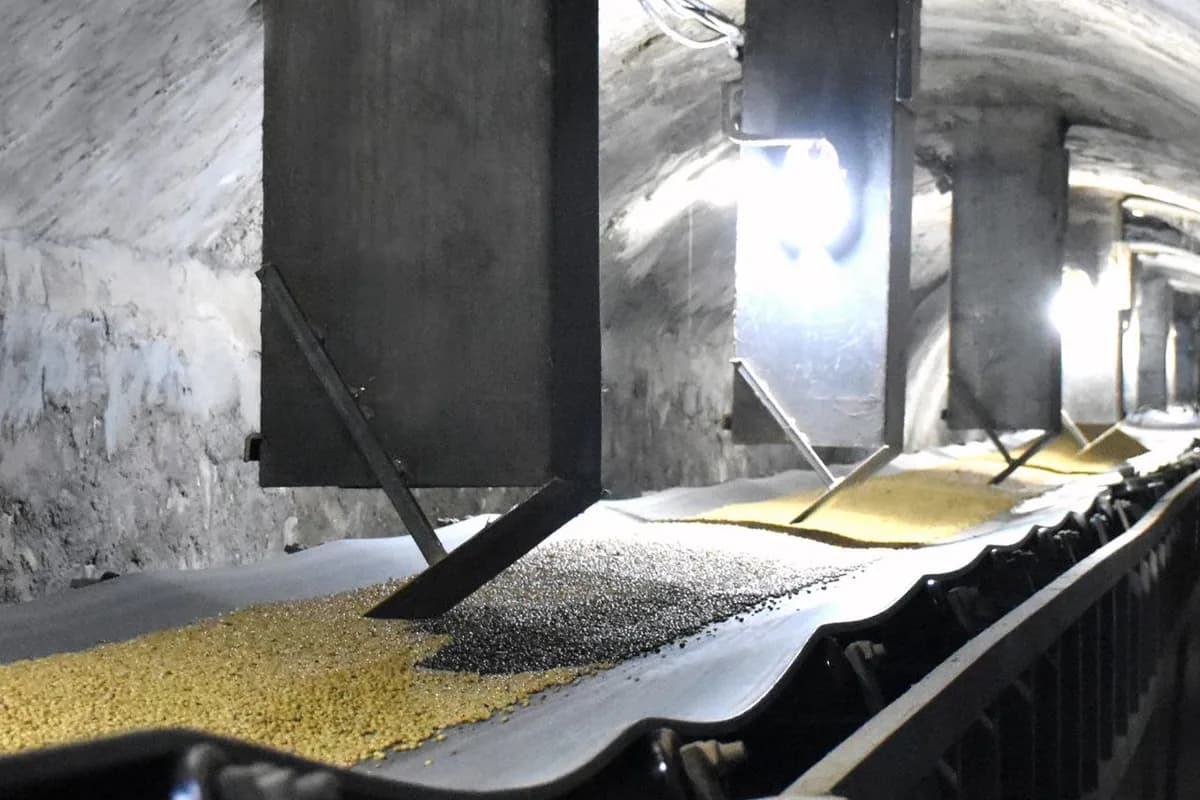
6. Product Form: Pellet or Flake
Meal may be supplied in pellet or flake form. The choice depends on production systems, storage methods, and factory requirements.
Meal Type | Main Feature | Application |
|---|---|---|
Pellet Meal | Easier transportation, lower waste | Suitable for industrial storage and handling |
Flake Meal | More open texture | Suitable for some feed formulations |
Soybean Meal, Canola Meal, or Safflower Meal: Which Is Better?
The right choice depends on production goals and feed formulation. No single product is ideal for every situation.
Soybean Meal
Soybean meal is one of the most widely recognized plant protein sources in the feed industry.
Suitable for:
Broiler feed
Layer feed
Fattening livestock
Dairy cattle
Some aquaculture feeds
Canola Meal
Canola meal is an economical and valuable option for many feed formulations.
Suitable for:
Livestock feed
Controlled poultry formulations
Mixed feed formulations
Factories seeking balance between quality and cost
Safflower Meal
Safflower meal can also be used as a plant protein source in feed production.
Suitable for:
Mixed feed formulations
Livestock feed
Use alongside other protein sources
Common Mistakes When Purchasing Meal
Focusing Only on Price
The cheapest option is not always the best option.
Buying Without Product Analysis
Purchasing without technical analysis increases risk.
Important indicators include:
Protein
Moisture
Fiber
Residual oil
Purity
Product appearance
Ignoring Stable Supply
Continuous raw material supply is essential for feed factories.
Ignoring Supplier Credibility
Suppliers with industrial experience, production capacity, and quality control systems are more reliable long-term partners.
The Role of Quality Control in Supplier Selection
A professional supplier does not simply sell products — they manage quality.
Quality control should be performed in three stages:
Raw seed inspection
Production process control
Final product testing
Why Is Stable Supply Important?
Feed factories operate with organized production schedules. Any delay in raw material supply can disrupt operations.
Stable supply means:
Regular delivery
Consistent quality
Responsive sales support
High production capacity
Long-term cooperation capability
Why Is Roghan Talaei Neyshabur a Reliable Choice?
Roghan Talaei Neyshabur Company, with a production capacity of 750 tons per day, is one of Iran’s industrial producers of crude oil and meal products.
With a focus on oilseeds, industrial production processes, quality control, and stable supply, the company can serve as a reliable partner for animal and poultry feed manufacturers.
Quick Checklist for Buying High-Quality Meal
Before purchasing meal, check:
Does the product have laboratory analysis?
What is the protein percentage?
Is the moisture level standard?
Is the fiber suitable for your formulation?
Is the product clean and consistent?
Does the supplier have sufficient production capacity?
Can the supplier provide continuous supply?
Is pellet or flake more suitable?
Is the manufacturer reliable?
Is the sales team professional and responsive?
Conclusion
Choosing high-quality meal is an important decision for feed manufacturers. Protein, moisture, fiber, purity, consistency, and stable supply all directly affect feed quality and production efficiency.
Roghan Talaei Neyshabur, with its high production capacity and focus on quality, can serve as a reliable supplier for the feed industry.
please Login to leave a comment
Add Your Comment
Reviews